Noahide


Amazing Letters for Life from the Lubavitcher Rebbe
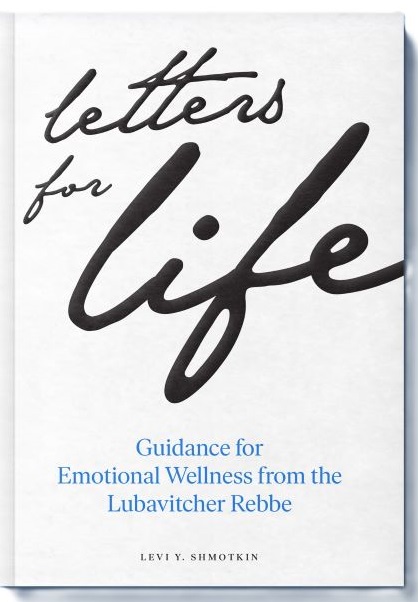
Letters for Life is an amazing book. Here is a description, adapted from its page on Kehotonline.com:
“Human life on this earth is unfortunately not free from various factors that bring about unhappiness”. The Lubavitcher Rebbe wrote this frankly in a letter. But how can we cope with the inevitable challenges that threaten our peace of mind?
The Rebbe, the preeminent Jewish leader of modern times, was confronted with this question every day. Lonely teenagers, elderly seniors, Holocaust survivors and incarcerated individuals, as well as anyone in between, would pour out their hearts to him and ask for direction. Drawing from 3,000 years of Jewish wisdom, the Rebbe would firmly and lovingly advise each of them how to attain inner health, harmony, and wholeness.
This treasure of guidance has been largely inaccessible to the broader reading public. However, Letters for Life changes that.
After years of studying the Rebbe’s vast correspondence, conducting interviews, and sifting through the archives, Levi Shmotkin shares with us twelve themes on emotional wellness from the Rebbe’s counsel. They are clear, sensible, and sometimes surprising tools for building a strong and resilient self despite life’s setbacks.
Through letters, stories and takeaways that are compelling and also practical, this book makes the Rebbe’s wisdom universally accessible. It is an enlightening and enthralling read for any person seeking emotional equilibrium in an off-balanced world.
A Noahide sent this review of Letters for Life:
Letters for Life by Levi Shmotkin addresses a very relevant topic in our everyday lives: emotional control. The greatest asset of Letters for Life is that it goes straight to the sources in the Rebbe’s extensive scholarly writings on emotions and how to control them. I find the personal letters the Rebbe wrote especially valuable, since they’re about how to apply Jewish teachings to everyday life with all its difficulties and pitfalls.
They also offer a glimpse into the Rebbe’s unique way of thinking. Furthermore, I enjoy reading these letters in English because of their beautifully clear, “regal” writing style. I also enjoyed reading the endnotes (all 242), which abound with references to traditional Jewish sources and writings by the Rebbe.
To be sure, there is plenty to learn from Letters for Life. For instance: you are not alone (G-d is constantly watching over us); everything that transpires is essentially for the good; you should be aware of the needs of other people; there is always hope; and many other things.
On a personal note, I read the book just as I marked a paper by a student of mine about the Stasi—that is, the East German intelligence agency—and how they dealt with their political prisoners. They tried to convey to their prisoners just the opposite: they isolated their prisoners, told them the situation they were in was utterly hopeless, and that they were basically lost.
All in all, this is a fantastic read and highly recommended for Jews and Gentiles alike! As I said, the strongest part of the book lies in its closeness to the Rebbe’s writings. It offers an authentic view of how Hasidism addresses emotional control, a topic highly relevant for each and every one of us in this day and age.