Noahide


Lesson of the New Year for Trees (Tu B’Shevat)
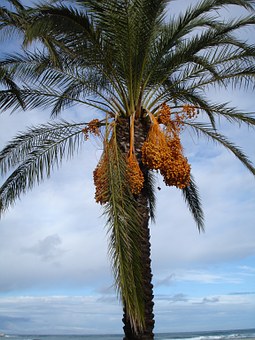
Tu B’Shevat (the 15th of Shevat) is the New Year for Trees, in Torah law. Calculating the years of fruit tree is necessary for several Jewish agricultural commandments. In addition, it is an ancient custom to mark this day by eating fruits. Especially favored are the fruits of the Land of Israel which the Torah praises: grapes, figs, pomegranates, olives and dates.
In this video, the Rebbe asks a strong question about the main Jewish custom for this day. (In 20’26, it starts at sundown on Sunday, Feb. 1.) On the one hand, it starts on the day when sap starts running in trees in the Land of Israel, as the rainy winter season starts to transition to spring. On the other hand, the custom is to eat fruit on this day, even though the trees have not yet even started to bud! Why is this?
This points to a universal lesson to recognize and celebrate that we all have hidden or dormant G’d-given potentials. Every day we need to restart the process of doing the actual effort and work that is required to eventually develop those potentials into the fruits of more and better good deeds and accomplishments to benefit the people and the condition of the world around us.
Another lesson of Tu B’Shevat
Torah also teaches that a person is likened to a tree in important ways:
The roots represent a person’s faith in G-d, which is his connection to his Source.
The trunk represents the main body of a person’s Divine service: his study and observance of his commandments.
The fruit represents the positive influence that a person has on other people.
For more information about Tu B’Shevat and its universal messages for all Gentiles, please see this talk by the Rebbe: https://asknoah.org/essay/tu-bshevat-rosh-hashana-new-year-for-trees